
According to Cleveland Clinic, hangover symptoms usually start to ease up between eight to 24 hours. (Woohoo!) During this time, your body slowly eliminates alcohol’s toxic byproducts, rehydrates, heals tissue, and rebalances your brain and body back to its normal state. For some people, though, hangovers can stick around for up to 72 hours. (Yikes!) As mentioned earlier, whether or not you get a hangover—and how severe it might be—really depends on a variety of factors.
Three: stomach lining irritation causes gastrointestinal distress
Initially, you feel happy and relaxed because consuming alcohol activates the release of endorphins. Your brain naturally produces these feel-good chemicals, and then your nervous system carries them throughout your body. The goal of endorphins is to improve your sense of well-being and reduce stress. A drink or two while hungover may temporarily take the edge off some symptoms, but more alcohol throws your body back into the same cycle without giving it a chance to recover. Also, using alcohol as a crutch to get through a hangover can lead you down a slippery slope to unhealthy drinking patterns and increase your risk of alcohol abuse. While alcohol might help https://ecosoberhouse.com/ you fall asleep faster, it severely disrupts the quality of sleep, particularly Rapid Eye Movement (REM) sleep.
About Medical News Today
A powerful antioxidant that is often used for treating inflammatory conditions, NAC helps to support the liver to eliminate toxins. Hussain Abdeh, Superintendent Pharmacist at Medicine Direct, suspects it is unlikely even the worst hangovers can last longer than a day. Newsweek asked medical experts about what to expect from imbibing excess alcohol and how best to deal with “babalaas.”
- That said, there are situations whereby tracking spoons may not fully address the challenges individuals are facing.
- The more we drink, the harder it is for the liver to keep up.
- Unless symptoms are severe, seeing a medical professional for a diagnosis is unnecessary.
Brain Fog
This has two major benefits; it slows your drinking time and helps to mitigate the dehydrating effects of alcohol. Before you go to bed, have another large glass of water – drinking water at this point will help efficiently flush out toxins. Research has not found a correlation between the extent of electrolyte disruptions and the severity of hangovers, or the impact of added electrolytes on hangover severity. In most people, the body will quickly restore electrolyte balance once the effects of alcohol subside. One of the best ways to shorten the duration of post-alcohol symptoms is by avoiding binge drinking in favor of drinking in moderation. To do so, you should always keep track of how many drinks you’re consuming, ideally setting a reasonable limit for yourself in advance to avoid going overboard.
How to prevent a hangover
- Some people may have a hangover from just one alcoholic drink, while others can drink excessively and not get a hangover.
- After heavy consumption, THC releases slowly from fat stores, potentially causing lingering effects.
- This tolerance and length can vary, but generally, these signs and symptoms of withdrawal begin hours after the last drink.
- Some people swear by “hair of the dog” (more alcohol), but this only delays the hangover.
Acetaldehyde is a toxic byproduct formed when our body breaks down alcohol. It’s believed to be times more toxic than alcohol itself and can cause symptoms such as nausea, sweating, and skin flushing. The accumulation of acetaldehyde is a significant factor in the hangover experience. Because individuals are so different, it is difficult to predict how many drinks will cause a hangover.
- However, drinking more does often make for a more severe hangover, and severe hangovers usually last longer.
- Many remedies are available that claim to cure a hangover, but there is no scientific evidence any of them work.
- If you haven’t eaten, you’re a lot more likely to have stomach pain and vomiting after drinking.
- Now that we have a general idea of what hangovers are like, let’s explore the science behind them and learn more about the lasting effects of alcohol on our body chemistry.
- But on average, a hangover should end about 12 hours after stopping drinking.
Supported living
Instead, focus on rest, hydration, and gentle nutrition to allow your body to recover. Alcohol acts as a diuretic by inhibiting the release of vasopressin (antidiuretic hormone) from the pituitary gland, which normally signals the kidneys to reabsorb water. Without this signal, the kidneys excrete more water than usual, leading to significant fluid loss that often exceeds the volume of liquid consumed. Your body’s already under a little bit of strain during your period, and since alcohol can dehydrate you, it can deplete your energy even more on your period, says Dr. Cox.
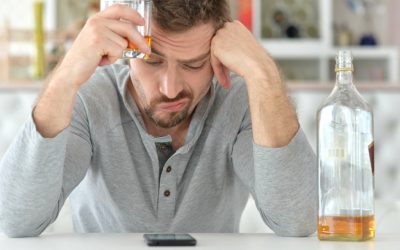
Messing with glutamate causes restlessness, anxiety, and difficulty sleeping, which increase the fatigue and irritability Halfway house you often experience during a hangover. The glutamine rebound can also contribute to tremors, sweating, and in severe cases, even seizures in individuals going through alcohol withdrawal. Alcohol consumption can lead to a range of unpleasant symptoms collectively known as a hangover. A hangover can impact your well-being the day after drinking. While many people experience hangovers, the exact mechanisms behind them are complex and involve many different factors. A hangover is the unpleasant aftermath of excessive drinking.
Getting help for a drinking problem is a brave and vital step towards a healthier and more balanced life. Or you may wish to contact a private provider, like Priory, directly. We offer a free, no-obligation addiction assessment where you can discuss your worries in confidence and receive advice on next steps. This might include support groups, therapy and alcohol addiction treatment. Drinking plenty of water, or fluids that are rich in electrolytes such as sports drinks and coconut water, can help to counteract the effects of dehydration.
How Long Does Hangover-Related Nausea Last?
Some who consume alcohol get a headache because they have a sensitivity to the added chemicals or preservatives. Consuming alcohol leads to several bodily actions that lead to dehydration, including an increase in urination, sweating, vomiting, and diarrhea. When dehydrated, the hormone vasopressin tells your kidneys to retain fluids. However, alcohol suppresses this hormone from reaching the kidneys and, therefore, does not retain fluids that could prevent dehydration. Every person may have a different level of sensitivity to alcohol’s withdrawal effects.
Chronic alcohol consumption can also change how the body responds to insulin, the hormone that allows cells to take in glucose from the bloodstream. Alcohol can increase insulin secretion, leading to a more rapid decrease in blood sugar levels, impairing the insulin signaling pathway, and possibly even leading to insulin resistance. Some people take over-the-counter pain relievers (often acetaminophen) before going to bed to minimize hangovers. It is important to recognize that how long does it take to get over a hangover the combination of alcohol and acetaminophen can be toxic to the liver. Like alcohol, certain over-the-counter pain relievers, including aspirin and ibuprofen, can increase acid release and irritate the lining of the stomach.
This blog will tell you exactly what it is, including symptoms, why an anxiety “hangover” happens, and eight ways to promote a faster recovery. You may have residual THC in your system, but the active “high” has passed. The brain fog is more of an after-effect than continued intoxication.


